

T/WhatsApp: +86 13920882353
E: sales@anfida.com.cn
E: sales@anfida.com.cn
No.13, Siwei Road, Dongli Economic Development Zone, Tianjin, China
Views: 0 Author: Site Editor Publish Time: 2025-06-29 Origin: Site


Have you ever wondered how long a semi truck and trailer actually are? These massive vehicles dominate the highways, but the question remains: just how large are they? If you're in the transportation, logistics, or freight industry, understanding the dimensions of semi trucks is essential for efficient planning and compliance with road regulations.
In this article, we’ll break down the measurements of semi trucks and trailers. From overall length to the specifics of different trailer types, we’ll cover everything you need to know. By the end of this post, you’ll have a clearer understanding of how long these vehicles can be and how their size impacts your operations.
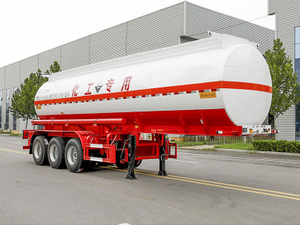
A standard semi truck, also known as a tractor-trailer combination, typically measures about 72 feet long. This length includes both the tractor (the front part, where the driver sits) and the trailer (the cargo-hauling part).
However, the length can vary depending on several factors:
Tractor Type: Day cabs, which are designed for short-haul trips, usually measure around 20 feet. Sleeper cabs, on the other hand, which include a bed for long-haul drivers, are typically about 30 feet long.
Trailer Type: The length of the trailer also plays a role in determining the overall length of the semi truck. The most common type of trailer, the dry van trailer, is typically 53 feet long. Other trailer types, such as flatbed or refrigerated trailers, can also vary between 48-53 feet.
In some cases, special trailers for oversized cargo can extend even further. For instance, extendable double-drop trailers can reach up to 80 feet when fully extended, especially when transporting large or heavy equipment.
Most states in the U.S. allow semi trucks to be up to 75-80 feet in total length, depending on the combination of tractor and trailer. However, some states may have stricter regulations, especially for certain types of trailers.
For example, California limits the total length of a semi truck with a single trailer to 65 feet, while Texas allows semi trucks up to 75 feet. If you’re transporting oversized loads, the maximum length can extend to 100 feet or more, but this requires special permits and careful routing.
Along with length, the width and height of a semi truck are crucial dimensions to consider. In most cases:
Width: A standard semi truck is typically 8.5 feet wide. This measurement does not include additional safety equipment, such as mirrors, which can add up to 10 inches to the total width.
Height: Semi trucks usually stand at 13.5 feet tall, though some taller loads may require a higher clearance. It’s important to note that many highways, tunnels, and bridges have height restrictions, so it’s essential to ensure that your truck complies with these regulations.
Understanding the dimensions of a semi truck is essential for several reasons:
Route Planning: Knowing the height and length of a semi truck helps determine whether certain routes, such as tunnels, bridges, or narrow streets, are accessible.
Cargo Capacity: The size of the truck directly affects how much cargo it can carry. Overloading a truck beyond its weight or dimensional limits can result in fines, accidents, and safety risks.
Regulatory Compliance: Compliance with federal and state regulations regarding truck size and weight is necessary to avoid penalties and ensure safe road operations.
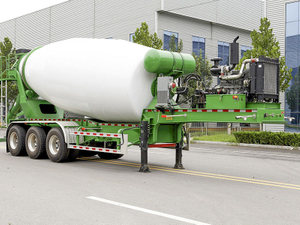
Semi trucks come in a variety of configurations, and the type of trailer attached will impact the overall length and function of the vehicle.
Dry Van Trailers: These are the most common type of trailer, measuring 53 feet in length, 8.5 feet in width, and 13.5 feet in height. They are used to transport general cargo, including electronics, clothing, and household goods.
Refrigerated (Reefer) Trailers: Often used for perishable goods like food, pharmaceuticals, and chemicals, reefer trailers are similar in size to dry van trailers but come with built-in refrigeration units. They typically measure 53 feet long.
Flatbed Trailers: Flatbed trailers are often used for oversized or heavy equipment, like steel beams, machinery, and vehicles. These trailers generally measure 48-53 feet in length and are open on top, making them easy to load and unload.
Tanker Trailers: Used for transporting liquids, such as fuel or chemicals, tanker trailers can range from 40 to 53 feet in length, with a maximum width of 8.5 feet.
Lowboy Trailers: Lowboy trailers, designed to carry heavy machinery and large equipment, often have a lower deck height. These trailers can range from 40 to 53 feet in length.
Each type of trailer adds a unique dimension to the total length of a semi truck. For example, a dry van trailer adds 53 feet to the tractor, resulting in a typical overall length of about 70 feet. A flatbed trailer, on the other hand, may be slightly shorter, while a lowboy trailer could extend beyond the 80 feet mark.
When calculating the total length, it's important to factor in both the tractor and the trailer dimensions, as well as any additional equipment or cargo that may extend the vehicle's overall length.
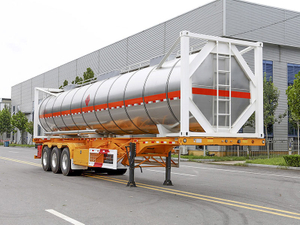
In addition to size, weight is another crucial factor for semi trucks. The maximum weight for a fully loaded semi truck, including its trailer and cargo, is typically capped at 80,000 pounds in the U.S. However, this weight limit can vary depending on the type of cargo and the jurisdiction.
Overloading a semi truck can lead to serious consequences, including damage to roads and bridges, as well as safety hazards. For this reason, it’s essential to understand the weight limits and ensure that each load complies with the necessary regulations.
While understanding the dimensions of semi trucks is essential for route planning, it’s equally important to consider how these trucks maneuver. The larger the truck, the more difficult it is to navigate tight spaces or make sharp turns. It’s essential to plan routes accordingly, especially when operating in urban areas with narrow roads or limited turning space.
In summary, the length, width, and height of a semi truck and its trailer are crucial factors for transportation planning. Understanding these dimensions helps ensure safety, efficiency, and compliance with road regulations. The typical semi truck with a 53-foot trailer measures about 72-80 feet in total length, with variations depending on the type of tractor and trailer used.
For those in the logistics and transportation industry, having a clear understanding of semi truck sizes is essential for optimizing route planning, managing cargo, and complying with federal and state regulations. Tianjin ANJUN Trailer Manufacturing Co., Ltd. provides high-quality trailers and trucks that meet these exact specifications, helping businesses optimize their fleet operations and comply with all regulations.
A: A semi truck with a 53-foot trailer typically measures around 72 to 80 feet in total length, depending on the type of tractor used.
A: Yes, in certain cases, such as with specialized trailers or extended configurations, semi trucks can exceed 80 feet in length, especially for oversized or heavy-haul loads.
A: Common trailer types include dry van trailers, refrigerated trailers, flatbed trailers, tanker trailers, and lowboy trailers, each serving different transportation needs.
A: The length of a semi truck impacts route planning by determining whether the vehicle can safely navigate certain roads, bridges, or tunnels, and whether permits are needed for oversized loads.
A: The weight of a semi truck affects its ability to carry cargo, with a typical maximum weight limit of 80,000 pounds. Overloading can result in fines and safety hazards.


